 Herring Gull- Zilvermeeuw (argentatus & argenteus)
(last update: December 15, 2011
Herring Gull - 1cy December
Introduction
This website deals with the Herring Gulls of the taxa argentatus and argenteus. Argenteus is an abundant breeding species on Iceland, Britain, NW France, Belgium, the Netherlands and N Germany. The taxon argentatus breeds in NE Europe, from Denmark, the coast of the Baltic Sea, Scandinavia and coast of the White Sea. In the centre of the breeding range (Denmark and the NW German coast), birds show intermediate characteristics, indicating there is a cline in argenteus-argentatus. Argenteus in Western Europe is pale-backed, slightly smaller and with relatively much black in the wing-tip; argentatus in the NE Europe is larger, slightly darker on upper-parts and show less black in the wing-tip.
Due to the large breeding range, there is much intra-specific variation in argentatus, with most large, powerful birds in the northern populations, showing the most darkest upper-parts, longest wing and most white in the outer-wing. In this region, some populations may hold substantial number of yellow-legged argentatus. (referred to as "Finnmark yellow-legged argentatus"). In adult plumage, the black sub-terminal spot on P5 is often lacking or strongly reduced to a diffuse streak, broken at the centre. Sometimes P6 lacks black as well.
In the Baltic region, other yellow-legged argentatus populations occur ("Baltic yellow-legged argentatus"), with adults showing even brighter yellow legs in summer and the upper-parts only slightly darker than West European argenteus, still much paler than Yellow-legged Gull (michahellis). Those Baltic argentatus often show a black sub-terminal spot on P5 in adult plumage.
On these web-pages, we largely follow P.J. Grant: "Gulls, a guide to identification" and E.K Barth's publication as Contribution No. 86, Zoological Museum, University of Oslo: "The circumpolar systematics of Larus argentatus and Larus fuscus with special reference to the Norwegian populations".

1cy Herring Gull: description for December
By December, NW European Herring Gull show obvious wear in wing-coverts, tail-tip and tertials. But birds hatched in northern Russia may still show a rather neat complete juvenile plumage, with the head and under-parts streaked grey-brown, rather pale on forehead and throat and with dark ear-coverts. The mantle and scapulars in these juveniles are brown based with buffish-yellowish fringes when the feathers are fresh. The notched pattern is repeated on the lesser, lower lesser and median coverts, although the medians often have paler centres. The greater coverts show a 'piano-key' pattern. On average, the tertials have an obvious notched pale fringe and transversal bar. This is more pronounced in argenteus than in argentatus. The secondaries, primaries and primary coverts are dark with a small white tip, but the inner primaries show an obvious, sometimes translucent, pale window, prominent from below and above. The under-wing is rather uniform grey-brown patterned. The tail has a broad sub-terminal band and isolated dark bars on the basal half. Some argentatus show a broken tail-band, reminiscent to Great Black-backed Gull (L. marinus). The iris is very dark, the bill is blackish, sometimes with a paler base, and the legs are flesh-pink with dark shins.

1cy Herring Gull: post-juvenile moult
The partial autumn moult (moult into so-called "first winter" plumage) includes the body and head feathers. This moult starts as soon as the nest is abandoned (especially in southern populations) and continues until January. Early argenteus juveniles fledge by late-June in the Netherlands, argentatus fledge mid-July in northern USSR. The post-juvenile moult is most extensive in southern Herring Gull populations and the final stage of this moult is more or less reached by mid November. Northern juvenile argentatus may postponed the post-juvenile moult until February, hence retain a juvenile plumage (e.g. this Russian 2cy argentatus in February).
In the post-juvenile moult, the head turns paler on throat and forehead. The breast turns paler as well, but most is an effect of bleaching and wear. The feathers on belly and vent remain juvenile in most 1cy argenteus by November.
1cy December birds in NW Europe normally have the mantle, upper scapulars and most lower scapulars moulted to second generation feathers, showing an anchor pattern and a dark base. This moult normally starts in the rear upper scapular region high on the back, and progresses downwards to the lower scapulars. The rear lower scapulars, which are the longest scapulars, lying on the scapular coverts, are normally still juvenile by February. When the feathers are fresh, they may show warm ginger tones, but after a few weeks these warm tones bleach paler, to white later in the season.
In 2cy argenteus in NW France (from Belgian, Dutch and British populations), the lowest row of scapulars are still juvenile by 2cy March in the vast majority of birds (contra e.g. the southern taxon michahellis). Both argenteus and argentatus normally exclude all tertials and wing-coverts from the post-juvenile moult. However, we estimate 2-4% of argenteus to include one or a few wing-coverts or a single tertial in the post-juvenile moult (often in a later stage of this moult, when scapular moult is well underway). We don't have sufficient data to estimate for argentatus, but several pictures show this phenomenon in argentatus as well. The juvenile wing-coverts, rectrices and remiges start to bleach and show wear in the fringes from 1cy September onwards.
All 1cy argenteus and argentatus from S-Scandinavia show new feathers replaced in the post-juvenile moult by November. 1cy December birds in NW Europe normally have the mantle, upper scapulars (100% second generation, i.e. category A in our research) and most lower scapulars moulted to second generation feathers (over 50%, i.e. category A-C), showing an anchor pattern and a dark base.
We do not get high northern birds early in autumn, but ringed bird in November - March show that these individuals may remain completely juvenile for a much longer period. Below, we included a table of 7 ringed argenteus, of which 1 bird already replaced all scapulars. This bird also replaced one wing-covert.
From a "definition point of view", we score this birds category F (0% 2g feathers) as the second generation feathers are still not visible. Only when these new feathers are visible, birds move to category E (1-24% 2g), as it is very hard to interpret missing minute upper scapulars in the upper region. On the other far end we have category A (100% 2g feathers) which is only used when the longest rear lower scapulars are dropped as well. These longest scapulars are the last to be moulted in the entire scapular region. Some birds already moult to third generation scapulars in the upper region, while these longest lower scapulars are still juvenile.
1cy Herring Gull December: tables
| CODE | DATE | SIDE | RING | TT & COVS | 2g | TOTAL | |
| BLB | 12-dec | L | BRAK | 0 | A | C | C |
| BTO | 21-dec | L | HPP | 0 | A | D | C |
| BLB | 22-dec | R | ATAA | 0 | A | B | B |
| DKC | 23-dec | L | VXV8 | 0 | B | E | D |
post-juvenile moult score of several ringed L. argentatus argenteus in 1999 & 2002. |
|||||||


rings argenteus: U.K.
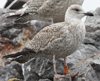 Herring
Gull WA1T 1cy (argenteus), December 11 2008, Boulogne/Mer, France (50.42N, 1.34E). Picture: J-M Sauvage.
Herring
Gull WA1T 1cy (argenteus), December 11 2008, Boulogne/Mer, France (50.42N, 1.34E). Picture: J-M Sauvage.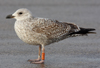 Herring
Gull XY1T 1cy (argenteus), December 03 2012, Boulogne/Mer, France (50.42N, 1.34E). Picture: J-M Sauvage.
Herring
Gull XY1T 1cy (argenteus), December 03 2012, Boulogne/Mer, France (50.42N, 1.34E). Picture: J-M Sauvage.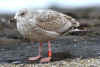 Herring
Gull HPP 1cy (argenteus), December 21 1999, Westkapelle,
the Netherlands (51.33N 03.25E). Picture by Pim Wolf.
Herring
Gull HPP 1cy (argenteus), December 21 1999, Westkapelle,
the Netherlands (51.33N 03.25E). Picture by Pim Wolf.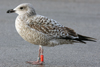 Herring
Gull VLC 1cy (argenteus), December 03 2012, Boulogne/Mer, France (50.42N, 1.34E). Picture: J-M Sauvage.
Herring
Gull VLC 1cy (argenteus), December 03 2012, Boulogne/Mer, France (50.42N, 1.34E). Picture: J-M Sauvage. Herring
Gull A3MM 1cy (argenteus), December 06 2006, Oostende, Belgium. Picture W. Leers.
Herring
Gull A3MM 1cy (argenteus), December 06 2006, Oostende, Belgium. Picture W. Leers.  Herring
Gull A4HM, 1cy (argenteus), December 23 2006, Boulogne/Mer, France (50.42N, 1.34E). Picture: J-M Sauvage.
Herring
Gull A4HM, 1cy (argenteus), December 23 2006, Boulogne/Mer, France (50.42N, 1.34E). Picture: J-M Sauvage.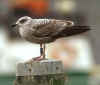 Herring
Gull ATAA 1cy (argenteus), December 22 1999, Westkapelle,
the Netherlands (51.33N-03.25E). Photo by Pim Wolf.
Herring
Gull ATAA 1cy (argenteus), December 22 1999, Westkapelle,
the Netherlands (51.33N-03.25E). Photo by Pim Wolf.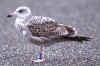 Herring
Gull BRAK 1cy (argenteus), December 12 1999, Westkapelle,
the Netherlands (51.33N-03.25E). Picture by Pim Wolf.
Herring
Gull BRAK 1cy (argenteus), December 12 1999, Westkapelle,
the Netherlands (51.33N-03.25E). Picture by Pim Wolf.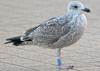 Herring
Gull FCAX 1cy (argenteus), December 06 2006, Oostende, Belgium. Picture W. Leers.
Herring
Gull FCAX 1cy (argenteus), December 06 2006, Oostende, Belgium. Picture W. Leers.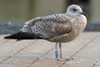 Herring
Gull FYAK 1cy (argenteus), December 06 2006, Oostende, Belgium. Picture W. Leers.
Herring
Gull FYAK 1cy (argenteus), December 06 2006, Oostende, Belgium. Picture W. Leers.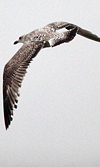 Herring Gull (argenteus) SCAV 1CY-2CY, December 2011 & March 2012, Koksijde, Belgium. Picture: Peter Adriaens.
 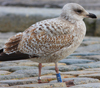 Herring
Gull SWAA 1cy (argenteus), December 11 2011, Boulogne/Mer, France. Picture: J-M Sauvage.
Herring
Gull SWAA 1cy (argenteus), December 11 2011, Boulogne/Mer, France. Picture: J-M Sauvage.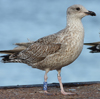 Herring
Gull (argenteus) YDAC 1CY & 3CY, December 01 2012 & September 27 2014, Calais, NW France. Picture: Jean-Michel Sauvage.
Herring
Gull (argenteus) YDAC 1CY & 3CY, December 01 2012 & September 27 2014, Calais, NW France. Picture: Jean-Michel Sauvage.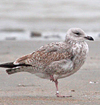 Herring Gull YUAD 1CY, December 19 2012, Koksijde, Belgium. Picture: Peter Adriaens.
 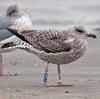 Herring Gull (argenteus) YZAW 1CY, December 19 2012, Koksijde, Belgium. Picture: Peter Adriaens.
 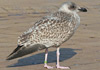 Herring
Gull 429 1cy (argenteus), December 2006, Oostende, Belgium. Pictures W. Leers.
Herring
Gull 429 1cy (argenteus), December 2006, Oostende, Belgium. Pictures W. Leers.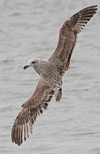 Herring Gull (argenteus) C8 1CY-2CY, December 2015 & March 2016, Scheveningen, the Netherlands.
  Herring Gull (argenteus) D2 1CY, December 17 2015, Scheveningen, the Netherlands.
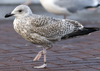 Herring Gull (argenteus) KT 1cy, December 15 2012, Scheveningen, the Netherlands.
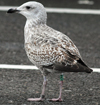 Herring Gull (argenteus) PG 1cy, December 09 2012, Hoek van Holland, the Netherlands.
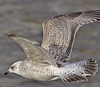 Herring Gull (argenteus) 0= 1st cycle (1CY), December 23 2014, Leiden, the Netherlands. Picture: Maarten van Kleinwee.
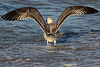 Herring Gull argenteus 5+ 1CY, December 28 2014, Hoek van Holland Strand, the Netherlands. Picture: Merijn Loeve.
 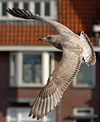 Herring Gull (argenteus) Z.X 1CY, October - December 2015, Scheveningen & Katwijk, the Netherlands.
 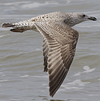 Herring Gull (argenteus) A||V 1CY-2CY, October 2016 - March 2017, Katwijk, the Netherlands.
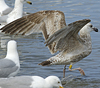 Herring Gull argenteus C||+ 1CY-2CY, December 2016 & April - October 2017, IJmuiden & Heemskerk, the Netherlands.
 Herring
Gull F.AMC 1cy (argenteus), December 24 2010, Amsterdam, the Netherlands.
Herring
Gull F.AMC 1cy (argenteus), December 24 2010, Amsterdam, the Netherlands.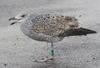 Herring Y.AMF 1cy (argenteus), December 09 2010, IJmuiden, the Netherlands.
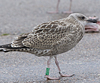 Herring Gull (argenteus) Y.BXL 1CY, August & December 2015, IJmuiden, the Netherlands (52.27N
04.33E).
Herring Gull (argenteus) Y.BXL 1CY, August & December 2015, IJmuiden, the Netherlands (52.27N
04.33E).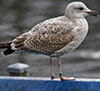 Herring Gull NLA 5.414.573 1CY, December 17 2006, Amsterdam, the Netherlands.
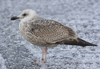 Herring Gull argenteus NLA 5.429.287 1cy, 2010-2011, IJmuiden, the Netherlands.
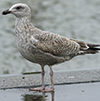 Herring Gull argenteus NLA 5.545.386 1CY, December 24 2019, Den Oever, the Netherlands.
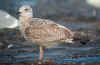 Herring
Gull argenteus NLA 6.125.321 1cy, December
29 2004, Westkapelle,
the Netherlands (51.33N 03.25E). Picture by Pim Wolf.
Herring
Gull argenteus NLA 6.125.321 1cy, December
29 2004, Westkapelle,
the Netherlands (51.33N 03.25E). Picture by Pim Wolf.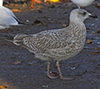 Herring Gull argenteus NLA 6.200.689 1CY, December 13 2018, Barneveld, the Netherlands.
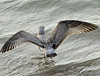 Herring Gull (argentatus) HN30C 1CY, December 24 2015, Scheveningen, the Netherlands.
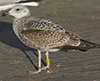 Herring Gull argentatus HVL27 1CY, December 02 2019, Langevelderslag, the Netherlands.
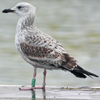 Herring
Gull XJCW 1cy (argentatus / cachinnans), December 21 2011, Boulogne/Mer, France. Picture: J-M Sauvage.
Herring
Gull XJCW 1cy (argentatus / cachinnans), December 21 2011, Boulogne/Mer, France. Picture: J-M Sauvage.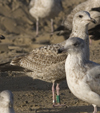 Herring
Gull Gull (argentatus) 1CY X4N5 December 02 2013, Katwijk aan Zee, the Netherlands.
Herring
Gull Gull (argentatus) 1CY X4N5 December 02 2013, Katwijk aan Zee, the Netherlands.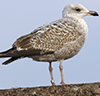 Herring Gull (argenteus) DEW 4306916 1CY, December 13 2018, Barneveld, the Netherlands.
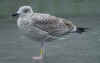 Herring
Gull VXV8 1cy (argentatus), December 23 2002,
Amsterdam, the Netherlands (52.21N-04.52E).
Herring
Gull VXV8 1cy (argentatus), December 23 2002,
Amsterdam, the Netherlands (52.21N-04.52E).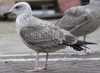 Herring
Gull DKC 4138634 1cy (argentatus), December 17 2007, Scheveningen, the Netherlands.
Herring
Gull DKC 4138634 1cy (argentatus), December 17 2007, Scheveningen, the Netherlands.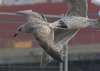 Herring
Gull DKC 4137084 1cy (argentatus), December 9 2010, IJmuiden, the Netherlands.
Herring
Gull DKC 4137084 1cy (argentatus), December 9 2010, IJmuiden, the Netherlands.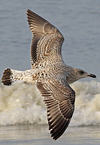 Herring Gull (argentatus) DKC 4409352 1CY-2CY, December 2015 & November 2016, Katwijk, the Netherlands.
 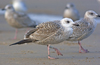 Herring
Gull CJP91 1cy (argentatus), December 07 2010, Katwijk, Netherlands.
Herring
Gull CJP91 1cy (argentatus), December 07 2010, Katwijk, Netherlands.  Herring Gull (argentatus) J4773 1CY, December 12-13 2013, Sandøya, Norway. Picture: Ingar Støyle Bringsvor.
.jpg) Herring Gull (argentatus) J8354 1CY, December 02 2014, Hovindam - Oslo, Norway. Picture: John Sandøy.
Herring Gull (argentatus) J8354 1CY, December 02 2014, Hovindam - Oslo, Norway. Picture: John Sandøy. Herring Gull (argentatus) J302A 1CY, December 11 2014, Hovindam - Oslo, Norway. Picture: John Sandøy.
 Herring Gull (argentatus) J854A 1CY, December 15 2014, Hovindam - Oslo, Norway. Picture: John Sandøy.
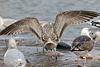 Herring Gull (argentatus) J922K 1CY-2CY, November - February 2016, IJmuiden, the Netherlands.
 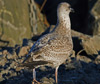 Herring Gull 1cy (argentatus) J1AS December 17 2005, S Norway. Picture Nils Helge Lorenzen.
 Herring Gull 1cy (argentatus) JT0V December 17 2005, S Norway. Picture Nils Helge Lorenzen.
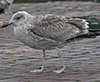 Herring Gull argentatus RUM ES20591 1CY, December 17-29 2019, IJmuiden, the Netherlands.
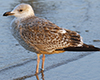 Herring Gull (argentatus) RUM ES21079 1CY-2CY, December 2018, Katwijk, & March 2019, Barneveld, the Netherlands.
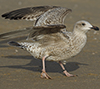 Herring Gull argentatus RUM ES27722 1CY-2CY, October 2019 - January 2020, Scheveningen & Katwijk, the Netherlands.
 Herring
Gull RUM C-730184 1cy (argentatus), December 9 2010, IJmuiden, the Netherlands.
Herring
Gull RUM C-730184 1cy (argentatus), December 9 2010, IJmuiden, the Netherlands.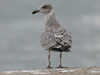 Herring
Gull KV48 1cy (argentatus), December 2006, Oostende, Belgium.
Herring
Gull KV48 1cy (argentatus), December 2006, Oostende, Belgium.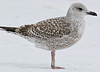 Herring Gull argentatus K16V 1CY, December 01 2007, Tampere dump, Finland. Picture: Visa Rauste.
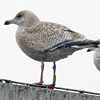 Herring Gull (argentatus) KW25 1CY, December 14 2012, Amsterdam, the Netherlands. Picture: Jan Zorgdrager.
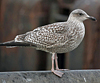 Herring
Gull (argentatus) 1CY, December 13 2009, Peterhead, Scotland. Picture: Chris Gibbins. Juvenile plumage.
Herring
Gull (argentatus) 1CY, December 13 2009, Peterhead, Scotland. Picture: Chris Gibbins. Juvenile plumage. Herring
Gull (argentatus) 1CY, December 20 2009, Simrishamn, Sweden. Picture: Hans Larsson.
Herring
Gull (argentatus) 1CY, December 20 2009, Simrishamn, Sweden. Picture: Hans Larsson. Herring
Gull (argentatus) 1CY, December 20 2009, Simrishamn, Sweden. Picture: Hans Larsson.
Herring
Gull (argentatus) 1CY, December 20 2009, Simrishamn, Sweden. Picture: Hans Larsson.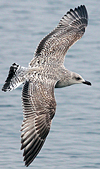 Herring
Gull (argentatus) 1CY, December 20 2009, Simrishamn, Sweden. Picture: Hans Larsson.
Herring
Gull (argentatus) 1CY, December 20 2009, Simrishamn, Sweden. Picture: Hans Larsson.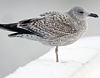 Herring
Gull (argentatus) 1CY, December 20 2009, Simrishamn, Sweden. Picture: Hans Larsson.
Herring
Gull (argentatus) 1CY, December 20 2009, Simrishamn, Sweden. Picture: Hans Larsson.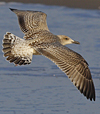 Herring Gull (argentatus) 1CY, December 19 2015, Katwijk, the Netherlands.
Completely juvenile.
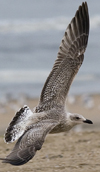 Herring
Gull 1cy (argentatus), December 03 2013, Katwijk, the Netherlands.
Herring
Gull 1cy (argentatus), December 03 2013, Katwijk, the Netherlands.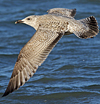 Herring Gull 1CY, December 04 2015, Scheveningen, the Netherlands.
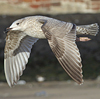 Herring Gull 1CY, December 04 2015, Scheveningen, the Netherlands.
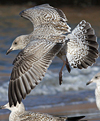 Herring Gull 1CY, December 04 2015, Scheveningen, the Netherlands.
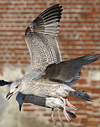 Herring Gull 1CY, December 04 2015, Scheveningen, the Netherlands.
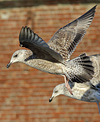 Herring Gull 1CY, December 04 2015, Scheveningen, the Netherlands.
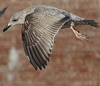 Herring Gull 1CY, December 04 2015, Scheveningen, the Netherlands.
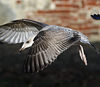 Herring Gull 1CY, December 04 2015, Scheveningen, the Netherlands.
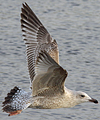 Herring Gull 1CY, December 17 2015, Katwijk, the Netherlands.
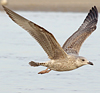 Herring Gull 1CY, December 17 2015, Katwijk, the Netherlands.
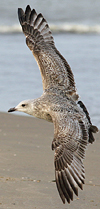 Herring Gull 1CY, December 17 2015, Katwijk, the Netherlands.
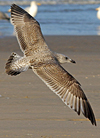 Herring Gull 1CY, December 14 2015, Katwijk, the Netherlands.
 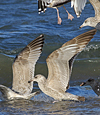 Herring Gull 1CY, December 04 2015, Scheveningen, the Netherlands.
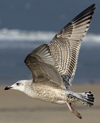 Herring
Gull 1cy, December 03 2013, Katwijk, the Netherlands.
Herring
Gull 1cy, December 03 2013, Katwijk, the Netherlands.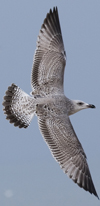 Herring
Gull 1cy, December 03 2013, Katwijk, the Netherlands.
Herring
Gull 1cy, December 03 2013, Katwijk, the Netherlands.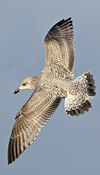 Herring
Gull 1cy, December 15 2014, Noordwijk, the Netherlands.
Herring
Gull 1cy, December 15 2014, Noordwijk, the Netherlands.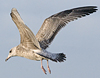 Herring
Gull 1cy, December 15 2014, Noordwijk, the Netherlands.
Herring
Gull 1cy, December 15 2014, Noordwijk, the Netherlands.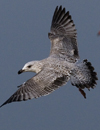 Herring
Gull 1cy, December 03 2013, Katwijk, the Netherlands.
Herring
Gull 1cy, December 03 2013, Katwijk, the Netherlands.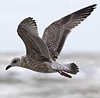 Herring
Gull 1cy, December 15 2014, Noordwijk, the Netherlands.
Herring
Gull 1cy, December 15 2014, Noordwijk, the Netherlands.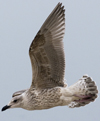 Herring
Gull 1cy, December 03 2013, Katwijk, the Netherlands.
Herring
Gull 1cy, December 03 2013, Katwijk, the Netherlands.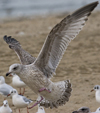 Herring
Gull 1cy, December 03 2013, Katwijk, the Netherlands.
Herring
Gull 1cy, December 03 2013, Katwijk, the Netherlands.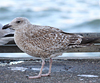 Herring Gull argentatus 1CY, December 04 2015, Scheveningen, the Netherlands.
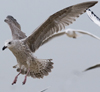 Herring
Gull 1cy, December 03 2013, Katwijk, the Netherlands.
Herring
Gull 1cy, December 03 2013, Katwijk, the Netherlands.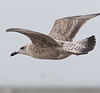 Herring
Gull 1cy, December 15 2014, Noordwijk, the Netherlands.
Herring
Gull 1cy, December 15 2014, Noordwijk, the Netherlands.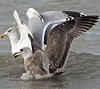 Herring
Gull 1cy, December 15 2014, Noordwijk, the Netherlands.
Herring
Gull 1cy, December 15 2014, Noordwijk, the Netherlands.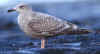 Herring
Gull 1cy (argentatus), December 01 2000,
Westkapelle, the Netherlands (51.33N - 03.25E). Picture by Pim
Wolf.
Herring
Gull 1cy (argentatus), December 01 2000,
Westkapelle, the Netherlands (51.33N - 03.25E). Picture by Pim
Wolf.