 Lesser Black-backed Gull (graellsii & intermedius)
(last update:
lbbg 1cy May
lbbg 1cy June
lbbg 1cy July
lbbg 1cy August
lbbg 1cy September
lbbg 1cy October
lbbg 1cy November
lbbg 1cy December
lbbg 2cy January
lbbg 2cy February
lbbg 2cy March
lbbg 2cy April
lbbg 2cy May
lbbg 2cy June
lbbg 2cy July
lbbg 2cy August
lbbg 2cy September
lbbg 2cy October
lbbg 2cy November
lbbg 2cy December
lbbg 3cy January
lbbg 3cy February
lbbg 3cy March
lbbg 3cy April
lbbg 3cy May
lbbg 3cy June
lbbg 3cy July
lbbg 3cy August
lbbg 3cy September
lbbg 3cy October
lbbg 3cy November
lbbg 3cy December
lbbg sub-ad January
lbbg sub-ad February
lbbg sub-ad March
lbbg sub-ad April
lbbg sub-ad May
lbbg sub-ad June
lbbg sub-ad July
lbbg sub-ad August
lbbg sub-ad Sept
lbbg sub-ad Oct
lbbg sub-ad Nov
lbbg sub-ad Dec
lbbg adult January
lbbg adult February
lbbg adult March
lbbg adult April
lbbg adult May
lbbg adult June
lbbg adult July
lbbg adult August
lbbg adult September
lbbg adult October
lbbg adult November
lbbg adult December
third calendar year: May
According to most field guides, second summer (third calendar year) LBBG normally show a grey saddle (adult-like feathers on mantle and scapulars), brown wing-coverts, 2nd generation primaries and secondaries, and a 2nd generation tail showing a broad tail-band.
However, in the field, almost all 3CY June birds have some of the coverts moulted into third generation. Sometimes the entire median covert row has been replaced, creating a grey bar.
But quite some birds have replaced more than a median covert row; they also replaced tail-feahers, or sometimes even secondaries and primaries. Especially these advanced birds appear much more adult-like than text-book 3CY birds.
Overall, there seems to be some variation in birds of this age class. The feathers showing most variation are the rectrices; it might be anything from a clear tail-band, spaghetti pattern, black-and-white variegated pattern to a complete snow white tail (although close examination often reveals small black spots near the feather centre). When secondaries have been renewed in winter, they normally stand out as adult-like grey feathers with white tips. Most of these advanced individuals seem to be slightly darker and more elongated; they probably originate from intermedius populations. Note however that a bird ringed in Norway has been recovered in the Maasvlakte colony, where it actually bred. Dutch colour rings have been found in Scandinavia in reverse.
Introduction:
During winter and especially early spring, 3cy LBBG undergo a partial moult in the winter quarters. This moult typically involved the upper-parts, the under-parts and the head. Also, the bare parts develop to more adult-like coloration. By May, the tail, primaries, secondaries, wing-coverts and tertials often still consist of old feathers (retained from previous autumn). Wing-coverts strongly contrast with the renewed grey upper parts (and sometimes the median covert row).
However, not every 3cy LBBG follows this sequence, and we have encountered many returning birds with a variable amount of new tertials, coverts and even rectrices. Some 3cy LBBG return with few new primaries (arrested moult) as well. It's still preliminary to classify LBBG with arrested moult in the primaries and allocate them to certain populations. First figures indicate both intermedius from Scandinavia and local breeding Dutch intergrades may arrest moult in 3cy in spring. Advanced moult on the wintering grounds (incl primary moult) is normally associated with nominate fuscus.
During the month of May an unknown number of 3cy birds return to the colony, either for a short visit or to linger around for longer periods. The first arrive around mid-April, the majority around mid-May. There may be good reasons for 3cy birds to return to their native colony, e.g. lack of food supply on the wintering grounds, to learn the best feeding grounds around the colony, exploit best breeding places, etc. Some 3cy birds will even attempt breeding. But there are risks involved as well taking on a long journey back to the breeding grounds.
3cy graellsii from Rotterdam port (SW Netherlands) visit the colony in May, but numbers are low. Some 3cy birds stay at NW France, at dumping sites and do not return to the actually breeding sites, although it's only a short distance.
Most 3cy LBBG stay at the edge of the colony or social roosting places.
One theory tells the brown feathers may protect 3cy birds against furious attacks of territory holding adult males. These brown feathers may be signs for breeders that these 3cy birds do not participate in mating. Nevertheless, severe fighting is not uncommon. Still, 3cy birds daily return to the colony and it seems they watch the steps of the elder birds. They may also predate on eggs, young rabbits, etc in the colony.
Ageing of 3CY birds in spring
3CY birds in spring (at their end of 2nd winter plumage) can be highly variable. Much has to do with the extent of previous moult cycles, and in particular the timing of these moults. Classic Lesser Black-backed Gulls "graellsii-type birds" very much resemble Herring Gull in moult timing and extent. Scandinavian intermedius-type birds often show a shifted moult timing and replace feathers in late-winter. As a consequence, the patterns of these replaced feathers may be different (note that this is largely due to moult TIMING, and in fact we look at same generatrion feathers).
graellsii-type LBBG
3CY Herring Gull and 3CY graellsii-type LBBG in spring look very similar in general. The scapular and mantle are adult-like grey wing-coverts are barred/brown, the 2nd generation tail show a broad band, 2nd generation secondaries have dark brownish centres and inner primaries are not adult-like but still have a brownish wash and only very ill-defined diffuse dark tips. Second generation P4-P5 have no sharply defined sub-terminal band plus white tip (as this is a good pointer to 3rd generation feathers and hence such birds are in 4CY).
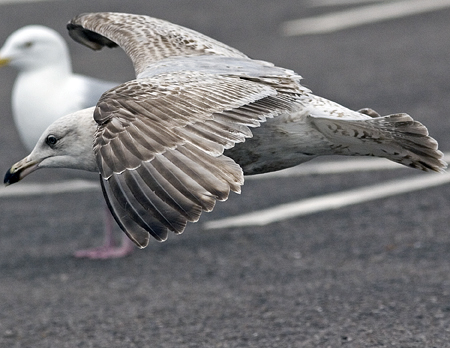 |
| Above: 3CY Herring Gull, Katwijk, the Netherlands, May 19 2013. Typical 3cy bird with 2nd generation primaries, secondaries and tail-feathers. Outer primaries brown without sharply defined white tips. Inner primaries P3-P5 without black sub-terminal band, these 2nd generation inner primaries only show a diffuse dark tip and outerweb. Secondaries with brownish barred and vermiculated centres. All tail-feathers with dark distal part. Below: Classic 3CY graellsii in June with adult-like grey mantle + scapulars (grey saddle) well demarcated from brown coverts. P5-P10 old 2nd generation feathers, P5 with diffuse brown outerweb, but no obvious blackish sub-terminal band. Second generation tail. |
 |
Ageing 3CY birds from 2CY birds is often rather straightforward. However, 3CY and 4CY birds may look similar. Typical 3CY graellsii-type LBBG have 2nd generation P4-P5, which has a diffuse brown tip and outerweb. 4CY are one year older, and the inner primaries are reminiscent of adults: P4-P5 normally have sharply defined blackish sub-terminal patterns and the innerwebs are greysih, not brownish.
 |
| Above: 4CY graellsii in June with adult-like upperparts and coverts. P3 missing, P4-P10 old 3rd generation feathers, typically P4-P5 with obvious blackish sub-terminal bands and white tips. Third generation tail and secondaries (note bold white tips on secondaries, combined with blackish immature centres). |
intermedius-type LBBG
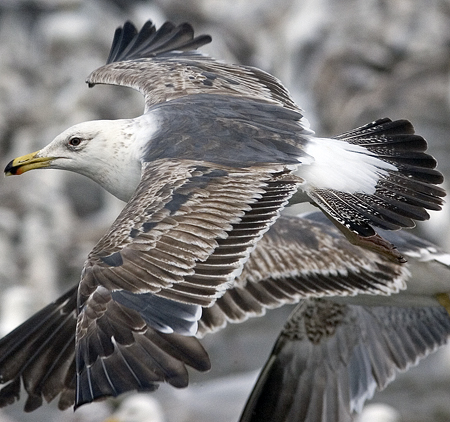
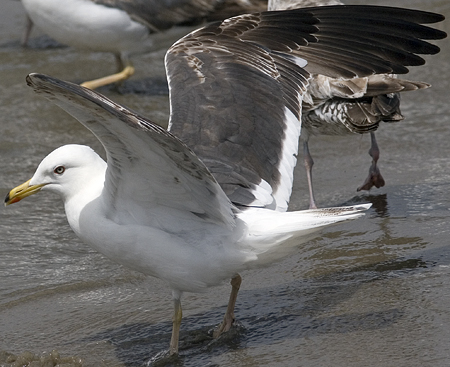
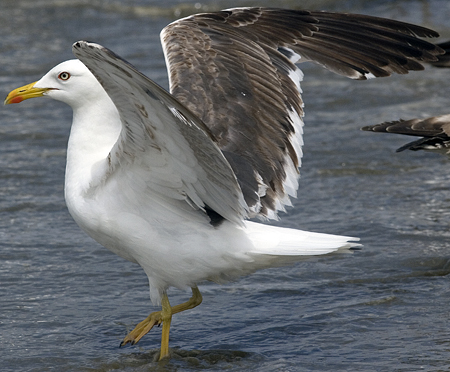
3CY intermedius-type LBBG in spring may look very similar to older birds, and sometimes is really difficult to tell them apart. Best clue, again, are the central primaries P3-P5, in combination with patterns on the secondaries.
The main problem with intermedius birds is, they often have a late-winter moult which can be very extensive, including all tail-feathers and many secondaries. Some birds even replace primaries on the winter grounds, prior to flying north again. Such birds adopt a fuscus-like moult strategy, with old outer and new inner primaries in spring and its only possible to ID these intermedius birds by the paler upperparts or/and ring, if present.
Detailed description of 3cy LBBG in June
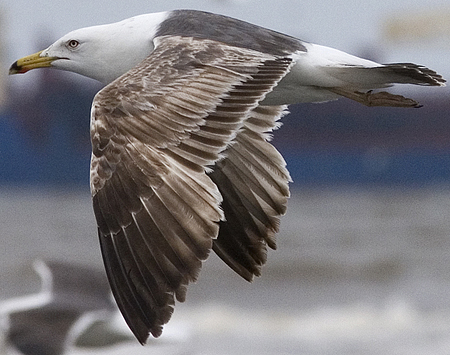
Mantle and scapulars
By June, adult-like grey feathers replace brown-hued old scapulars, probably at least for the third time, resulting in a fourth generation scapular region. Some old scapulars show a faint anchor pattern on a brown base.
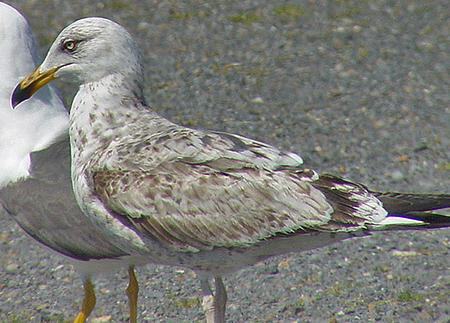 |
| Above: graellsii L-97134, ringed as pullus at Zeebrugge, Belgium on July 09 2001. Very immature in upper-parts pattern, unlike the adult-grey scapulars in most 3cy LBBG. Below: Text-book 3CY graellsii in June with adult-like grey mantle + scapulars (grey saddle) well demarcated from brown coverts. |
 |
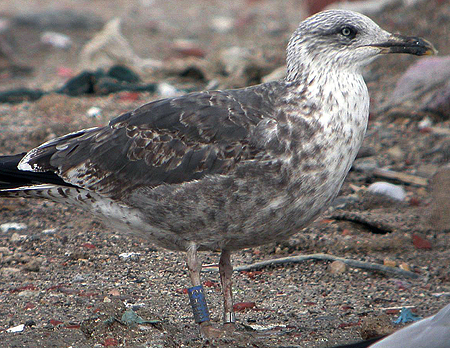
Moult of coverts
The section dealing with 2CY autumn birds already show that a subsequent moult may follow in quite some birds in autumn, called a "partial autumn moult". Normally this will involve upper tertials (TT), inner greater coverts (GC), many of the inner median and lower lesser coverts (MC and LLC).
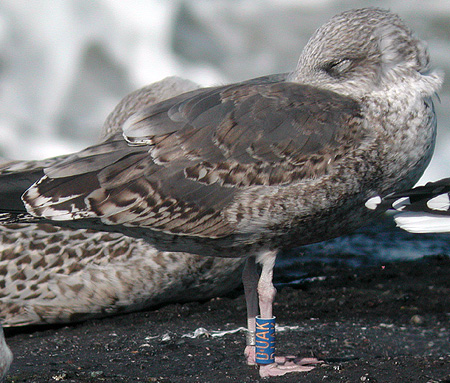 |
| Above: 2CY September graellsii blue DUAK, ringed as pullus in Belgium, July 07 2006. Partial autumn moult obvious in MC and upper TT. Also GC1 missing and few LLC growing. Below: 3CY January graellsii blue HHAS, ringed as pullus in Belgium in 2008. Those wing-coverts replaced in the partial autumn moult remain obvious throughout winter period. |
 |
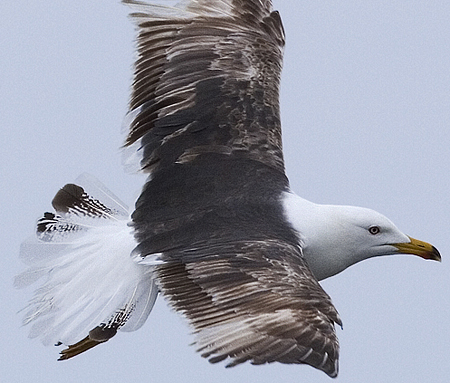 |
| Above: 3CY June LBBG. Central TT and most rectrices replaced recently, probably late winter March-April. By June, these feathers stand out as very adult-like, with neat fringes and no bleached brownish hue. Without winter observations of a particular individual, it remains speculation if adult-like coverts were replaced last autumn or in late winter. Complete moult not started: P1 still present. Below: even more advanced late winter moult also included secondaries. Very fresh looking coverts probably also replaced recently, but late winter observations of this individual necessary to clarify this. |
 |
Late winter (March-April) occasionally there seems to be a moult taken place in some birds, especially intermedius. This moult has not the common sequence we witness in summer, the complete moult. In summer, complete moult starts with dropping P1 and P2, then followed by other primaries and simultaneously outer median coverts (outer MC) are dropped. Another moult wave in wing-coverts starts at the very innermost feathers, and two waves evolve through the wing-covert panel.
However, few 3CY intermedius in late winter, March-April, may start replacing wing-coverts, rectrices and even secondaries or primaries. When these birds turn up in NW Europe in June, these late-winter feathers still appear very fresh and neat.
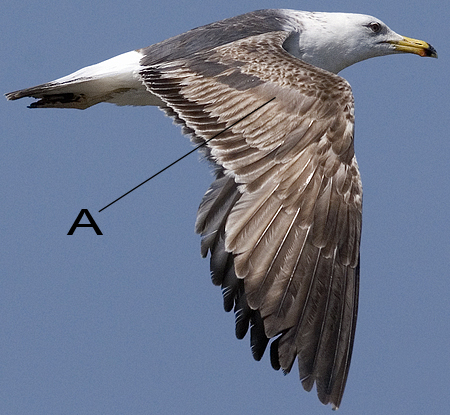 |
| Above: 3CY June LBBG. Complete moult commenced, inner primaries dropped, and simultaneously the outer MC have been shed as well (arrow A). It is normal to skip fresh feathers (from partial autumn moult) in the early moult stage, hence first replace very old feathers. |
By June, 3CY LBBG start moulting the median coverts, starting with outermost feathers when P1-P3 are dropped. New third generation coverts are easily recognized as grey adult-like feathers.
Tail-feather (rectrices) moult
The exact rectrices-moult is often difficult to ascertain. In graellsii, most common pattern at this age is a worn second generation tail, i.e. a tail with black marks or tail feathers with a broad black tail-band. This is the classic 2nd generation tail pattern for spring 3CY birds.
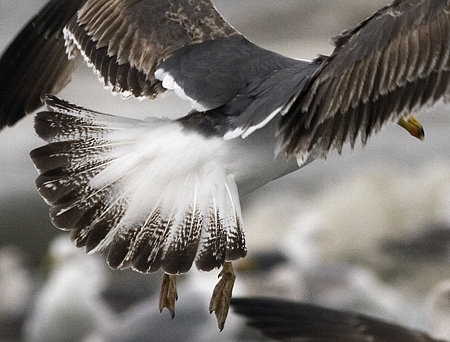 |
| Above: 3CY June LBBG. Classic tail, old, slightly worn 2nd generation rectrices. Below: 3CY June LBBG. Some rectrices old 2nd generation, but some replaced, now adult-like white. |
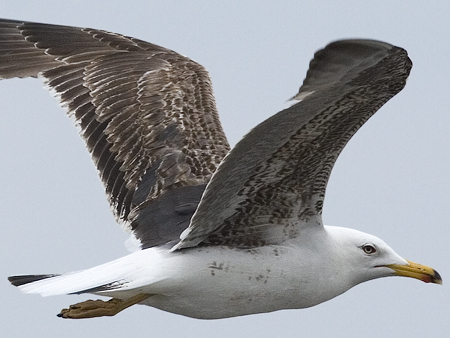 |
| Below: 3CY June LBBG. All rectrices replaced, now adult-like white. |
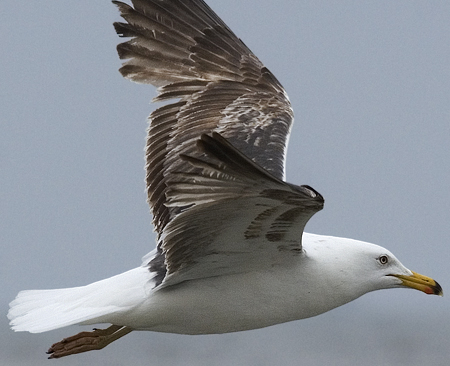 |
June is early in the complete moult cycle, so only very few birds are actively moulting tail-feathers, starting with the innermost pair (R1, these are the feathers most exposed to sun and weather conditions). More than 30% of 3cy LBBGs has moulted one or more pairs of tail-feathers last winter, resulting in a blocked pattern of black and white feathers or even a completely white tail. This winter moult in the tail involved rectrices randomly, creating an unpredictable black and white tail in spring.
Remiges moult
At the start of June some birds have already shed P1 in the complete moult, while at the end of June most birds have P2 replaced and P4 shed. New third generation primaries are very adult-like (adult-grey with white tip) and differ clearly from the plain black-brown second generation primaries.
The differences with real adult primaries can be found in the tips which are normally smaller in third generation primaries, P9 normally lacks a mirror, P10 has a smaller mirror and there is an extensive amount of black on P3 and P4 (more than on pure adult primaries and it's not unusual to find a complete sub-terminal band on P4 in third generation primaries, where most adults have the black markings on P4 confined to the outer web).
Often the third generation outer primaries show a brown hue, another sign of immaturity (but these features don't apply on June LBBG of course: P9 and P10 are full-grown in November). Older birds show more blackish P5-P10 (the age effects the feathers: old feathers are stronger, making the effect of bleaching and wear less obvious).
By June, the old second generation P10 is half a year of age and shows an obvious white shaft, creating a broad white line in a pale brown feather, on the underside of p10. There is no active moult in the secondaries yet.
As already mentioned under "Moult of Coverts", some 3CY LBBG return from the winter grounds with replaced (3rd generation) secondaries or even primaries. Example birds on this page illustrate this, and we believe this to occur more often in intermedius than it does in graellsii.
Moult of primaries
In May, moult activity is very low. Birds start shedding the innermost primaries. At the end of May all local birds at least show a gap of P1 and P2, some birds have already shed P4. Adult and sub-adult LBBG will start their primary moult from mid-June, dropping P1 and P2, although some birds may start as early as May. Compared to 3cy birds, they have a delay of one or two primaries. New third generation primaries in 3cy LBBG are adult-like in having grey centers and white tips, contrasting with the old plain black-brown second generation primaries. Remarkably, from the second half of May 'new' birds arrive at the colony, showing delayed primary moult compared to average 3cy. Out of ten birds on the last day of May, four birds still retain all primaries.
Compared to older birds, the third generation primaries show smaller tips. P9 normally lacks a mirror and the mirror on P10 is small. P3 and P4 show more black marks (often resulting in a complete sub-terminal band on P4, where most adults only have black on the outer web).
Except for the primaries, there are almost no other feathers shed, although some inner median coverts may be shed.
Moult of tail-feathers
Some birds start moulting the tail, but May is very early. Most common at this age is a worn second generation tail, i.e. a tail with a broad black/brown tail-band. Only a few birds are actively moulting some tail-feathers, starting with the innermost pair. This pair is on top and often bleached and the tips worn away. About 30% of 3cy birds moulted one or more pairs last winter, resulting in a blocked pattern of white and non-white tail-feathers. This winter-moult involves tail feathers randomly, creating an unpredictable black and white tail in spring. Birds returning with a complete white tail are no exception.
Moult of coverts
Most 3cy birds still show brownish second generation wing-coverts (greaters and lessers at least) while upper-parts and bare parts look very adult-like. In May, moult in the coverts is normally not found in birds staying near the colony. Birds outside the colony may already start moulting at the end of May. New coverts are easily recognized since this third generation feathers are typically uniformly grey, like in adults. Some third generation feathers however (moulted in the previous autumn like the medians, mantle and scapulars) may be like second generation feathers in pattern (see e.g. picture of BLB L-97134), but those moulted in summer are much more adult-like. The old retained second generation feathers show at least some brown in the centre and show white fringes, but the exact pattern gets lost by wear.
More about arrested and suspended moult
The average moult stage for second summer LBBG can be seen in the pictures. But some odd individuals turn up as well, for instance with fresh white tips on P1-P7, while P8-P10 are still second generation (and P10 obviously lacks a white mirror). It seems that, in both graellsii and intermedius, arrested moult is a rare phenomenon, but may occur. See bottom images.
In his article about identification of fuscus LBBG (Birding World, 1998), Lars Jonsson writes about 3cy birds: "Second-summer fuscus is the most likely to be seen as a vagrant... Overall, they are much blacker than the corresponding plumages of graellsii and intermedius and they show much more adult-looking wing coverts. Also, fuscus very typically shows a staggered or incomplete renewal of the greater coverts, where a few brown feathers are retained in an otherwise rather blackish row. On the whole, the more complete renewal of the wing coverts during the pre-breeding moult is markedly different to that of intermedius and graellsii, which typically return for their second summer with a new dark grey 'saddle' but old wing coverts (although quite often the median row will have been renewed, forming a grey band on the middle of the wing)." And further: "I would positively identify a second-summer Lesser Black-backed Gull in May showing predominantly dark wing coverts and very fresh inner six to eight primaries as a fuscus."
Although this all is very true for fuscus, it may be an over-simplified analysis of the variation in 3cy intermedius returning in May. Most pictures shown here, probably show graellsii LBBG or Dutch intergrade LBBG as they were taken near or in colonies in the Netherlands. But on several occasions, groups of true migrants from Scandinavia can be found at the beach and several "puzzling" individuals were encountered of which a few are shown here. It seems that at least one of the key features to look for (i.e. arrested moult) occurs in intermedius as well and at least an estimated 4-10% of 3cy LBBG may show this features in spring. And this may be a low estimation, since birds with arrested moult are exactly the birds "in a hurry" and may not take long rests at the stop-over points. It's interesting to see in what way fuscus-like features have to accumulate to make identification as fuscus acceptable.
When intermedius shows arrested moult in the primaries, combined with advanced moult in the upper-parts, these birds can easily be mistaken for fuscus. At Le Portel, France, three such LBBG were present early May 2001, including a very dark, gentle (female) intermedius. The bird's characteristics strongly approached those said to be diagnostic for fuscus. Very dark (blackish) gentle (female?) second summer intermedius, which show very advanced moult in the upper-parts, combined with arrested moult in the primaries do occur and approach fuscus in both coloration and general structure. Now we have come across few such LBBG, it's hard to select diagnostic features to distinguish between these two taxa.
 |
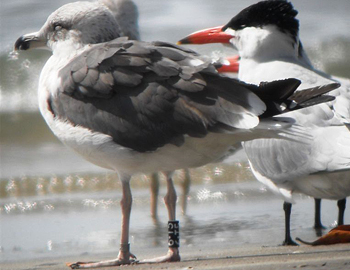 |
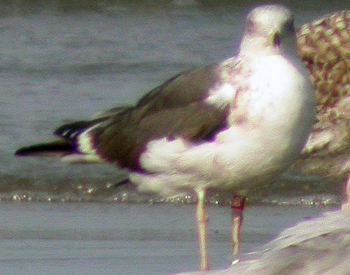
| Lesser Black-backed Gull graellsii 3CY 86 January 27 2010, Tanji, The Gambia, André de Baerdemaeker. Age provenance 3CY bird with very bold white tips on primaries. Probably in active moult in primaries, reflected by the very adult-like upperparts and much white in tail. | Lesser Black-backed Gull graellsii 3CY 6.T5 February 15 2012, Tanji, The Gambia, Clive Barlow. Interestingly, this long distance migrant appears to show advanced moult as well. In this respect approaching moult sequence and timing of nominate fuscus, but of course upperparts way to pale grey, classic for graellsii birds. |
Arrested moult or suspended moult?
In discussions about arrested moult, suspended moult is included as well. Strictly, the difference between arrested and suspended moult lies in the continuation:
Suspended Moult: A bird starts moulting the flight feathers in the ordinary way (from P1 outwards). At a certain point, the moult stops (is arrested, e.g. when migration starts). After arrival, the bird catches up moulting the rest of the flight feathers, which can be recognized as fresher.
Arrested Moult: A bird starts moulting the flight feathers in the ordinary way. At a certain point, the moult stops. After arrival, the bird starts moulting P1 again, thus doesn't continue moulting the rest of the flight feathers.
In some cases moult continuation is combined and two moult waves start: one wave at P1 and one wave at the place where moult was arrested, prior to migration. This is visible as two gaps in the wing (beware of secondary moult in the outer secondaries (S1, S2, S3).
Arrested moult: in autumn or spring?
It may be important in identification to know whether moult was arrested prior to migration (in autumn) or moult was arrested later on in winter, prior to northbound migration. Whatever, it might be very difficult to judge the correct age of flight feathers by their abrasion and wear. In this discussion, it must be said that there is a difference between pigment fading (black feather parts fade to brown, but grey stays grey) and bleaching (all feathers parts, including the paler parts turn pale). Where this discussion ends is still open.
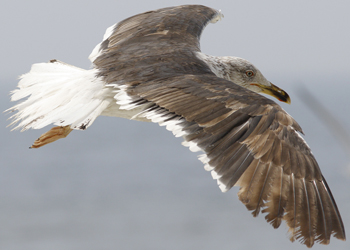
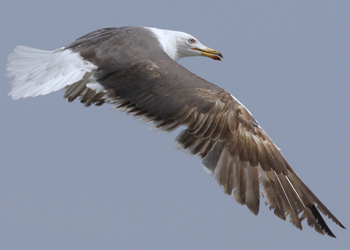
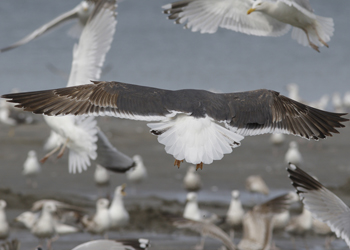
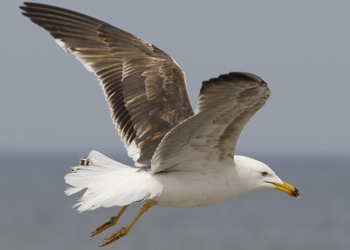
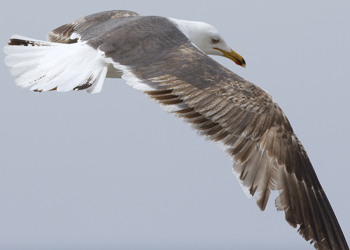
Images of 3CY birds showing arrested moult
 |
 |
 |
 |
 |
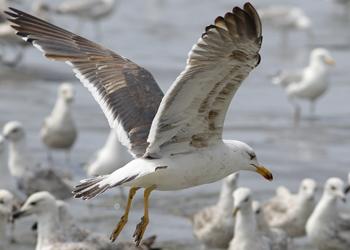 |
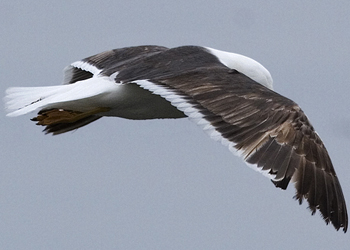 |
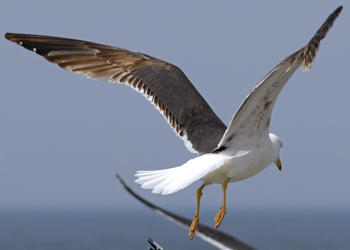 |
Dutch 3cy LBBG at the Maasvlakte
Do the birds we see in the Netherlands represent average Dutch LBBG and do they truly mirror characteristics found in average LBBG? There are about 25.000 breeding pairs at the Maasvlakte. The average reproduction is 1 young: 25,000 1cy birds leave the colony. Already 50% die in the first year (12,500 left) and another 25% die in the second year. Hence, after two years only 9,000 birds remain. If you were able to count all colonies present on the Maasvlakte and surroundings in one moment, you would still miss many birds (1,000's). From the ringed 300 a year, only 9 where seen again the following year (by only 4 observers). But another year later, around 16 birds were recovered, then in their 3cy. Many seem to spend the summer south, where there is no rivalry over nesting places and enough food supply. Others simply linger around, at sea or at other feeding stations like dumping sites.
Tables:
| Primary moult score in 3cy LBBG at Maasvlakte, the Netherlands, June 17 2002. Total n: 25 | |
| p1 old | 1 |
| p2 old | 4 |
| p3 old | 6 |
| p4 old | 9 |
| p5 old | 5 |
U.K.: 3CY LBBG graellsii
 Lesser Black-backed Gull graellsii BTO GA40646 3CY, May 26 2006, Amsterdam, the Netherlands.
 Belgium: 3CY LBBG graellsii
 Lesser Black-backed Gull graellsii HKAX 3CY, May 11 2010, Zeebrugge, Belgium. Picture: Peter Adriaens.
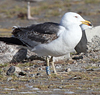 Lesser Black-backed Gull graellsii MCAZ 3CY, May 22 2011, Oostende, Belgium. Picture: Peter Adriaens.
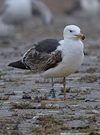 Lesser Black-backed Gull graellsii MVAY 3CY, May 28 2011, Oostende, Belgium. Picture: Peter Adriaens.
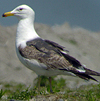 Lesser Black-backed Gull graellsii BLB L-92923 3CY, May 29 2003, Zeebrugge, Belgium.
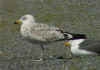 Lesser Black-backed Gull graellsii BLB L-97134 3CY, May 03 2003, Zeebrugge, Belgium.
the Netherlands: 3CY LBBG graellsii
 Lesser Black-backed Gull graellsii F.T 3CY, May 23 2014, Maasvlakte-Dintelhaven, the Netherlands. Picture: Merijn Loeve. Breeding 3CY.
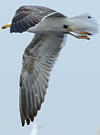 Lesser Black-backed Gull graellsii K.X 3CY, May 19 2016, Barneveld landfill, the Netherlands.
  Lesser Black-backed Gull graellsii M.F 3CY, May 19 2016, Barneveld landfill, the Netherlands.
  Lesser Black-backed Gull graellsii R.F 3CY, May 27 2016, Utrecht, the Netherlands.
 Lesser Black-backed Gull graellsii P.N 3CY, May 29 2011, Monsin, Belgium. Picture: Peter Adriaens.
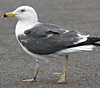 Lesser Black-backed Gull graellsii 3D 3CY, May 10 2013, Katwijk, the Netherlands.
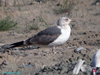 Lesser Black-backed Gull graellsii 13 3CY, May 03 2010, Madrid, Spain. Photo by Delfín González.
Seen many times.
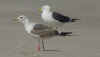 Lesser Black-backed Gull graellsii E304 3CY, May 31 2002, Maasvlakte, the Netherlands.
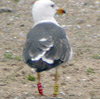 Lesser Black-backed Gull graellsii E81 3CY, May 26 2006, Amsterdam, the Netherlands.
 Also photographed as juvenile.
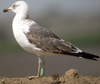 Lesser Black-backed Gull graellsii Y.ARW 3CY, May 02 1012, Landfill VRSU de Colmenar Viejo, Madrid, Spain. Picture: Delfín González.
 Lesser Black-backed Gull graellsii Y.BWZ 3CY, May 29 2017, Heemskerk, the Netherlands.
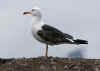 Lesser Black-backed Gull graellsii NLA 5.366.282 3CY, May 07 2003, Maasvlakte, the Netherlands. Arrested primary moult.
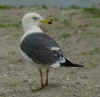 Lesser Black-backed Gull graellsii NLA 5.366.284 3CY, May 27 2003, Maasvlakte, the Netherlands.
  Lesser Black-backed Gull graellsii NLA 5.425.426 3CY, May 05 2011, IJmuiden, the Netherlands.
  Lesser Black-backed Gull graellsii NLA 5.472.090 3CY, May 22 2014, Delft, the Netherlands. Picture: Merijn Loeve.
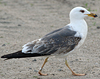 Lesser Black-backed Gull graellsii NLA 5.505.829 3CY, May 11 2016, Maasvlakte (Amazonehaven), the Netherlands (51.56.00 N 04.03.00 E).
.
Denmark: 3CY LBBG intermedius
.
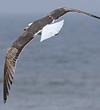 Lesser Black-backed Gull intermedius V.ES5 3CY, May 29 2017, Heemskerk, the Netherlands.
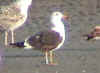 Lesser Black-backed Gull intermedius JUH6 3CY, May 27 2001, Zeebrugge, Belgium. Picture P Adriaens. Arrested moult at P9.
Sweden: 3CY LBBG intermedius
.
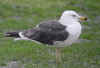 Lesser Black-backed Gull intermedius SVS 810679x 3CY, May 03 2004, Maasvlakte, the Netherlands. Arrested moult at P2.
Portugal: 3CY LBBG ringed in winter
.
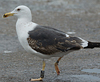 Lesser Black-backed Gull F634 3CY, May 09 2017, Matosinhos beach, Matosinhos, Portugal. Picture: José Marques.
3CY LBBG unringed
.
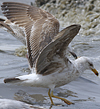 Lesser Black-backed Gull 3CY, May 29 2017, Heemskerk, the Netherlands.
  Lesser Black-backed Gull 3CY, May 29 2017, Heemskerk, the Netherlands.
 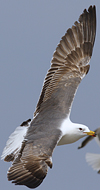 Lesser Black-backed Gull 3CY, May 29 2017, Heemskerk, the Netherlands.
  Lesser Black-backed Gull 3CY, May 29 2017, Heemskerk, the Netherlands.
  Lesser Black-backed Gull 3CY, May 29 2017, Heemskerk, the Netherlands.
  Lesser Black-backed Gull 3CY, May 29 2017, Heemskerk, the Netherlands.
  Lesser Black-backed Gull 3CY, May 29 2017, Heemskerk, the Netherlands.
  Lesser Black-backed Gull 3CY, May 29 2017, Heemskerk, the Netherlands.
  Lesser Black-backed Gull 3CY, May 29 2017, Heemskerk, the Netherlands.
 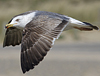 Lesser Black-backed Gull 3CY, May 09 2016, Katwijk, the Netherlands.
  Lesser Black-backed Gull 3CY, May 09 2016, Katwijk, the Netherlands.
  Lesser Black-backed Gull 3CY, May 09 2016, Katwijk, the Netherlands.
  Lesser Black-backed Gull 3CY, May 20 2016, Katwijk, the Netherlands.
 With new tail.
 Lesser Black-backed Gull 3CY, May 20 2016, Katwijk, the Netherlands.
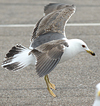 Lesser Black-backed Gull 3CY, May 20 2016, Katwijk, the Netherlands.
 Lesser Black-backed Gull 3CY, May 20 2016, Katwijk, the Netherlands.
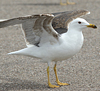 Lesser Black-backed Gull 3CY, May 20 2016, Katwijk, the Netherlands.
 Lesser Black-backed Gull 3cy, May 26 2006, Amsterdam, the Netherlands.
 4 flying birds in classic plumage.
 Lesser Black-backed Gull 3cy, May 22 2014, Katwijk, the Netherlands.
 Classic 3CY graellsii type bird.
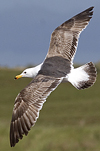 Lesser Black-backed Gull 3cy, May 22 2014, Katwijk, the Netherlands.
 Classic 3CY graellsii type bird.
 Lesser Black-backed Gull 3cy, May 09 2014, Katwijk, the Netherlands.
 Classic 3CY graellsii type bird.
 Lesser Black-backed Gull 3cy, May 28 2015, Leiden, the Netherlands.
 Classic 3CY graellsii type bird.
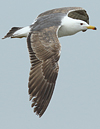 Lesser Black-backed Gull 3CY, May 10 2016, Katwijk, the Netherlands.
 Classic 3CY graellsii type bird.
 Lesser Black-backed Gull 3cy, May 28 2015, Leiden, the Netherlands.
 Classic 3CY graellsii type bird.
 Lesser Black-backed Gull 3cy, May 28 2015, Leiden, the Netherlands.
Classic 3CY graellsii type bird.
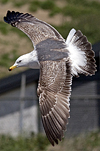 Lesser Black-backed Gull 3cy, May 09 2014, Katwijk, the Netherlands.
 Classic 3CY graellsii type bird.
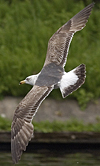 Lesser Black-backed Gull 3cy, May 20 2014, Katwijk, the Netherlands.
 3CY graellsii type bird.
 Lesser Black-backed Gull 3cy, May 22 2014, Katwijk, the Netherlands.
 Classic 3CY graellsii type bird.
 Lesser Black-backed Gull 3cy, May 22 2014, Katwijk, the Netherlands.
 Classic 3CY graellsii type bird.
 Lesser Black-backed Gull 3cy, May 10 2013, Katwijk, the Netherlands.
3CY intermedius type bird.
 Lesser Black-backed Gull 3CY, May 10 2016, Katwijk, the Netherlands.
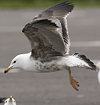 Lesser Black-backed Gull 3cy, May 16 2013, Katwijk, the Netherlands.
 Classic 3CY graellsii type bird but dark grey upperparts.
 Lesser Black-backed Gull 3cy, May 16 2013, Katwijk, the Netherlands.
 3CY graellsii type bird.
 Lesser Black-backed Gull 3CY, May 29 2017, Heemskerk, the Netherlands.
  Lesser Black-backed Gull 3CY, May 29 2017, Heemskerk, the Netherlands.
  Lesser Black-backed Gull 3CY, May 29 2017, Heemskerk, the Netherlands.
  Lesser Black-backed Gull 3cy,May 13 2014, Katwijk, the Netherlands.
 3CY graellsii type bird.
 Lesser Black-backed Gull 3cy, May 20 2014, Katwijk, the Netherlands.
 3CY graellsii type bird.
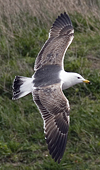 Lesser Black-backed Gull 3cy, May 16 2013, Katwijk, the Netherlands.
 Classic 3CY graellsii type bird but with tiny mirror on P10.
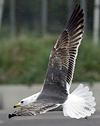 Lesser Black-backed Gull 3cy, May 16 2013, Katwijk, the Netherlands.
 3CY intermedius type bird.
 Lesser Black-backed Gull 3cy, May 12 2013, Katwijk, the Netherlands.
3CY fuscus type bird.
 Lesser Black-backed Gull 3cy, May 20 2014, Katwijk, the Netherlands.
 3CY graellsii type bird.
 Lesser Black-backed Gull 3cy, May 20 2014, Katwijk, the Netherlands.
 3CY graellsii type bird.
 Lesser Black-backed Gull 3cy, May 20 2014, Katwijk, the Netherlands.
 3CY graellsii type bird.
 Lesser Black-backed Gull 3cy, May 20 2014, Katwijk, the Netherlands.
3CY graellsii type bird.
 Lesser Black-backed Gull 3cy, May 20 2014, Katwijk, the Netherlands.
3CY graellsii type bird.
 Lesser Black-backed Gull 3cy, May 28 2015, Leiden, the Netherlands.
 3CY graellsii type bird.
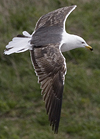 Lesser Black-backed Gull 3cy, May 12 2013, Katwijk, the Netherlands.
 3CY graellsii type bird.
 Lesser Black-backed Gull 3cy, May 16 2013, Katwijk, the Netherlands.
 3CY graellsii type bird.
 Lesser Black-backed Gull 3cy, May 26 2006, Amsterdam, the Netherlands.
 S1 new and white tail.
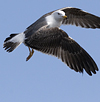 Lesser Black-backed Gull 3cy, May 10 2013, Katwijk, the Netherlands.
 3CY graellsii type bird.
 Lesser Black-backed Gull 3cy, May 12 2013, Katwijk, the Netherlands.
3CY graellsii type bird.
 Lesser Black-backed Gull 3cy, May 12 2013, Katwijk, the Netherlands.
 3CY graellsii type bird.
 Lesser Black-backed Gull 3CY, May 27 2016, Utrecht, the Netherlands.
 3CY graellsii type bird.
 Lesser Black-backed Gull 3cy, May 12 2013, Katwijk, the Netherlands.
 3CY graellsii type bird.
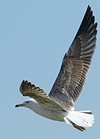 Lesser Black-backed Gull 3CY, May 08 2016, Nieuw-Haamstede, the Netherlands.
 Lesser Black-backed Gull 3cy, May 28 2015, Leiden, the Netherlands.
3CY graellsii type bird.
 Lesser Black-backed Gull 3cy, May 16 2013, Katwijk, the Netherlands.
 3CY intermedius type bird.
 Lesser Black-backed Gull sub-adult, May 16 2013, Katwijk, the Netherlands.
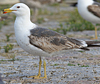 Lesser Black-backed Gull 3CY, May 27 2016, Utrecht, the Netherlands.
 3CY graellsii type bird.
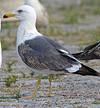 Lesser Black-backed Gull 3CY, May 27 2016, Utrecht, the Netherlands.
 3CY graellsii type bird.
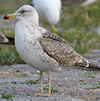 Lesser Black-backed Gull 3CY, May 27 2016, Utrecht, the Netherlands.
 3CY graellsii type bird.
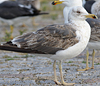 Lesser Black-backed Gull 3CY, May 27 2016, Utrecht, the Netherlands.
 3CY graellsii type bird.
 Lesser Black-backed Gull 3CY, May 27 2016, Utrecht, the Netherlands.
 3CY graellsii type bird.
 Lesser Black-backed Gull 3CY, May 27 2016, Utrecht, the Netherlands.
 3CY graellsii type bird.
 Lesser Black-backed Gull 3CY, May 27 2016, Utrecht, the Netherlands.
 3CY graellsii type bird.
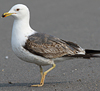 Lesser Black-backed Gull 3CY, May 27 2016, Utrecht, the Netherlands.
3CY graellsii type bird.
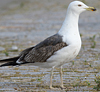 Lesser Black-backed Gull 3CY, May 27 2016, Utrecht, the Netherlands.
 3CY graellsii type bird.
 Lesser Black-backed Gull 3CY, May 27 2016, Utrecht, the Netherlands.
 3CY graellsii type bird.
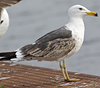 Lesser Black-backed Gull 3CY, May 27 2016, Utrecht, the Netherlands.
 3CY graellsii type bird.
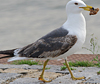 Lesser Black-backed Gull 3CY, May 27 2016, Utrecht, the Netherlands.
 3CY graellsii type bird.
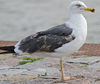 Lesser Black-backed Gull 3CY, May 27 2016, Utrecht, the Netherlands.
 3CY graellsii type bird.
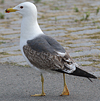 Lesser Black-backed Gull 3CY, May 27 2016, Utrecht, the Netherlands.
 3CY graellsii type bird.
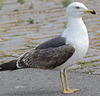 Lesser Black-backed Gull 3CY, May 27 2016, Utrecht, the Netherlands.
 3CY graellsii type bird.
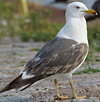 Lesser Black-backed Gull 3CY, May 27 2016, Utrecht, the Netherlands.
 3CY graellsii type bird.
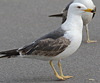 Lesser Black-backed Gull 3CY, May 27 2016, Utrecht, the Netherlands.
 3CY graellsii type bird.
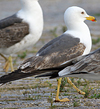 Lesser Black-backed Gull 3CY, May 27 2016, Utrecht, the Netherlands.
 3CY graellsii type bird.
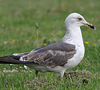 Lesser Black-backed Gull 3CY, May 27 2016, Utrecht, the Netherlands.
 3CY graellsii type bird.
 Lesser Black-backed Gull 3CY, May 27 2016, Utrecht, the Netherlands.
 3CY graellsii type bird.
 Lesser Black-backed Gull 3CY, May 27 2016, Utrecht, the Netherlands.
 3CY graellsii type bird.
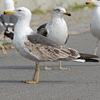 Lesser Black-backed Gull 3CY, May 27 2016, Utrecht, the Netherlands.
 3CY graellsii type bird.
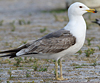 Lesser Black-backed Gull 3CY, May 27 2016, Utrecht, the Netherlands.
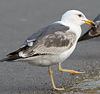 Lesser Black-backed Gull 3CY, May 27 2016, Utrecht, the Netherlands.
 3CY graellsii type bird.
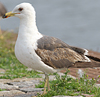 Lesser Black-backed Gull 3CY, May 27 2016, Utrecht, the Netherlands.
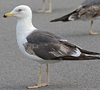 Lesser Black-backed Gull 3CY, May 27 2016, Utrecht, the Netherlands.
 Lesser Black-backed Gull 3CY, May 27 2016, Utrecht, the Netherlands.
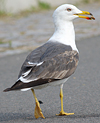 Lesser Black-backed Gull 3CY, May 27 2016, Utrecht, the Netherlands.
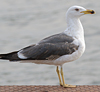 Lesser Black-backed Gull 3CY, May 27 2016, Utrecht, the Netherlands.
 Lesser Black-backed Gull 3CY, May 27 2016, Utrecht, the Netherlands.
 Lesser Black-backed Gull 3CY, May 27 2016, Utrecht, the Netherlands.
 Lesser Black-backed Gull 3CY, May 27 2016, Utrecht, the Netherlands.
 Lesser Black-backed Gull 3CY, May 27 2016, Utrecht, the Netherlands.
 Lesser Black-backed Gull 3CY, May 27 2016, Utrecht, the Netherlands.
 Lesser Black-backed Gull 3CY, May 27 2016, Utrecht, the Netherlands.
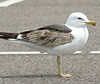 Lesser Black-backed Gull 3CY, May 20 2016, Katwijk, the Netherlands.
 Lesser Black-backed Gull 3cy, May 10 2013, Katwijk, the Netherlands.
 3CY graellsii type bird.
 Lesser Black-backed Gull 3cy, May 16 2013, Katwijk, the Netherlands.
 3CY graellsii type bird.
 Lesser Black-backed Gull 3cy, May 10 2013, Katwijk, the Netherlands.
 3CY graellsii type bird.
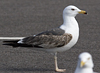 Lesser Black-backed Gull 3cy, May 10 2013, Katwijk, the Netherlands.
 3CY graellsii type bird.
 Lesser Black-backed Gull 3cy, May 10 2013, Katwijk, the Netherlands.
 3CY graellsii type bird.
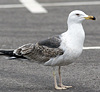 Lesser Black-backed Gull 3cy, May 12 2013, Katwijk, the Netherlands.
 3CY graellsii type bird.
 Lesser Black-backed Gull 3cy, May 16 2013, Katwijk, the Netherlands.
 3CY graellsii type bird.
 Lesser Black-backed Gull 3cy, May 10 2013, Katwijk, the Netherlands.
 3CY graellsii type bird.
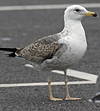 Lesser Black-backed Gull 3cy, May 16 2013, Katwijk, the Netherlands.
 3CY graellsii type bird.
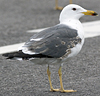 Lesser Black-backed Gull 3cy, May 10 2013, Katwijk, the Netherlands.
 3CY graellsii type bird with advanced moult.
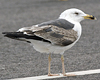 Lesser Black-backed Gull 3cy, May 10 2013, Katwijk, the Netherlands.
 3CY graellsii type bird.
 Lesser Black-backed Gull 3cy, May 10 2013, Katwijk, the Netherlands.
 3CY graellsii type bird.
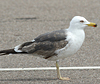 Lesser Black-backed Gull 3CY, May 20 2016, Katwijk, the Netherlands.
 Lesser Black-backed Gull 3cy, May 16 2013, Katwijk, the Netherlands.
 3CY graellsii type bird.
3CY LBBG with features resembling nominate fuscus
.
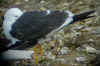
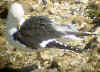 Lesser Black-backed Gull 3cy, May 05 2001, Dannes, NW France.
 Dark plumage combined by arrested moult and slender expression in line with fuscus.
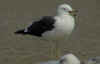
 Lesser Black-backed Gull 3cy, May 05 2001, Dannes, France.
 Primaries suggest 3cy, but resembling 4cy.
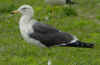
 Lesser Black-backed Gull 3cy, May 17 2002, Le Portel, NW France.
 Growing P8.
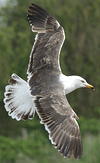
 Lesser Black-backed Gull 3cy, May 27 2003, Maasvlakte, the Netherlands.
 P8 nearly fully grown.
 Lesser Black-backed Gull 3CY, May 20 2016, Katwijk, the Netherlands.
 With replaced primaries and with new tail.
 Lesser Black-backed Gull 3cy, May 28 2015, Leiden, the Netherlands.
 Arrested moult. Left wing P1-P6 3rd gen, P7-P10 old 2nd gen. Right wing P2 old 2nd gen.
Secondaries old 2nd gen, except for S1, replaced. R5 old 2nd gen, other rectrices 3rd gen, white.
 Lesser Black-backed Gull 3CY, May 08 2016, Nieuw-Haamstede, the Netherlands. P1-P6 replaced.
 Lesser Black-backed Gull 3cy, May 01 2006, Texel, the Netherlands. P8 nearly fully grown.
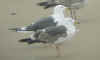 Lesser Black-backed Gull 3cy, May 04 2001, Le Portel, France. Probably 3cy based on p7-10, black bill-band and secondaries.