 Yellow-legged
Gull- Geelpootmeeuw (L. michahellis): 1cy September
Yellow-legged
Gull- Geelpootmeeuw (L. michahellis): 1cy September
(last update: 18 oktober 2004)
YLG
1cy May
YLG
1cy June
YLG
1cy July
YLG 1cy August
YLG 1cy September
YLG 1cy October
YLG 1cy November
YLG 1cy December
YLG
2cy January
YLG 2cy February
YLG 2cy March
YLG 2cy April
YLG 2cy May
YLG 2cy June
YLG 2cy July
YLG 2cy August
YLG 2cy September
YLG 2cy October
YLG 2cy November
YLG 2cy December
YLG
3cy January
YLG 3cy February
YLG 3cy March
YLG 3cy April
YLG 3cy May
YLG 3cy June
YLG 3cy July
YLG 3cy August
YLG 3cy September
YLG 3cy October
YLG 3cy November
YLG 3cy December
YLG
sub-ad Jan.
YLG sub-ad Feb.
YLG sub-ad March
YLG sub-ad April
YLG sub-ad May
YLG sub-ad June
YLG sub-ad July
YLG sub-ad Aug.
YLG sub-ad Sept.
YLG sub-ad Oct.
YLG sub-ad Nov.
YLG sub-ad Dec.
YLG
adult January
YLG adult February
YLG adult March
YLG adult April
YLG adult May
YLG adult June
YLG adult July
YLG adult August
YLG adult September
YLG adult October
YLG adult November
YLG adult December
|
General description: By September, the vast majority of 1cy michahellis has rather worn fringes at the juvenile feathers and the brown centres are already somewhat bleached. By this month, most of the mantle feathers and upper scapulars have been moulted more than a month ago and the buffish / gingery centres of the second generation feathers start to turn paler, almost white. Hence, these scapulars show almost white based centres, strongly contrasting with the dark anchor or barred pattern on the lower and upper scapulars. The majority of juvenile W European Herring Gulls and Lesser Black-back-backed Gulls have left the colonies as well and many of them appear slightly worn; resembling Yellow-legged Gulls. The clues to separate resting juvenile michahellis and graellsii become less reliable, but still, best characteristics in September are the inner primary pattern, tail-pattern and condition / moult-stage of second generation tertials and coverts. Moult stage and pace of the scapulars Throughout September, the mantle and scapulars are almost completely replaced by second generation feathers. Below, a table is presented with scapular moult scores of 20 juvenile michahellis in the Calais region, NW France. The vast majority of the birds have the upper scapulars moulted to second generation feathers, with only a few smaller upper scapulars remaining juvenile (therefore a moult score of the fully 100% only occurs in a few individuals, but within the upper scapular moult-class 75-100%, most birds have moulted over 90% of the visible upper scapulars). By the end of the month September, a few moult gaps and single retarded juvenile feathers may still be present in the outer upper scapulars. The clearly visible lower scapulars, which are moulted later than the upper scapulars, may still show the brownish or buffish base between the dark bars or anchor pattern in the second generation feathers. As can be seen in the images, these fresh second generation feathers have a broad white fringe. The feathers which were moulted longer ago have the base turned paler and show contrasting brown/black - white feathers. Some second generation scapulars already show wear in the fringes by September. Those feathers can be found in the rear upper scapulars and the rear upper lower scapulars. By the end of the month, there may still be moult gaps in the lower scapulars, especially the central and rear feathers in the lowest row of lower scapulars (the feathers covering the scapular coverts). Moult scores in the first week of October reveals that the rear feathers in the lowest row of lower scapulars are still present and juvenile in the majority of the 1cy michahellis. Moult stage and pace of the wing-coverts and tertials The covert moult stage and tertial moult stage may vary to a large extend. Some birds still show a complete juvenile wing, with worn covert fringes (especially the inner coverts) and juvenile tertials. These 1cy michahellis birds strongly resemble graellsii when the wings are folded and the bird rests. By the end of the month, about 25% of the 1cy michahellis have all the wing-coverts and tertials still juvenile. Some of these juvenile birds may still start the partial moult by late September, as the figures slightly drop by October. Wing-covert scores from late October show that only 15-20% of the juvenile birds still have all the wing-coverts juvenile. Over 80% have replaced at least a single wing-covert to second generation feathers. Most 1cy birds show advanced wing-covert moult, normally including the inner medians, the inner lower lessers and the inner greater coverts. The wing-covert moult is often most advanced in the median covert row, which can consist of second generation coverts for over 50% (most of the visible median coverts in a folded wing). Less than 50% of 1cy birds start moulting the tertials in September, often starting with the upper two tertials or with the third tertial. The juvenile tertials are plain brown centred and the fringes are almost completely worn away, leaving a protruding shaft streak. By early October however, many birds shed the upper tertials and figures from late October show replaced upper tertials in the majority of the birds. Replacement of the tiny lesser coverts is hard to establish in the field and most of the time impossible unless close range images are obtained or the bird is examined in the hand. In the table below, "missing lesser wing-coverts" must be read as "feathers missing or growing". Still, this doesn't fully eliminate the problem of judging the stage of moult in these feathers, as it may remain debatable whether a feather is fully grown or not. Moult stage and pace of the rectrices The small sample of birds in the table below didn't include any juvenile michahellis moulting the tail-feathers. A sample from the first week of October included several birds with moulted rectrices which confirms the general idea that at least a small minority of 1cy michahellis includes tail-feather replacement in the post-juvenile moult from October onwards. In any moderate group of first calendar year michahellis, birds can be found moulting the tail-feathers by October (see the October section for tables). The exact extend of this moult is still not known, but in spring, 2cy michahellis with second generation tail-feathers can be seen regularly (even birds with the tail completely moulted). Next year, more research will be executed on this topic. Movements The majority of michahellis in NW France arrive from SW origins, the colonies from Marseille and the Mediterranean coast towards NE Spain, Italy, Switzerland and the German Rhine colony. Some birds must have origins further south, as the ring recoveries of blue ringed Sardinian birds and black ringed NE Spanish birds indicate. Tables
|
 michahellis
CC-9273 September 01 2006, IJmuiden, the Netherlands. michahellis
CC-9273 September 01 2006, IJmuiden, the Netherlands.
|
||||||||||||||||||||||||||||||||||||||||||||||||||||||||||||||||||||||||||||||||||||||||||||||||||||||||||||||||||||||||||||||||||||||||||||||||||||||||||||||||||||||||||||||||||||||||||||||||||||||||||||||||||||||||||||||||||||||||||||||||||||||||||||||||||||||||||||||||||||||||||||||||||||||||||||||||||||||||||
 michahellis332Z,
September 16 2002, Scheveningen, the Netherlands. From July 13
into September, a 1cy michahellis is present in SW Netherlands. Ringed
as pullus near
Marseille, S France. michahellis332Z,
September 16 2002, Scheveningen, the Netherlands. From July 13
into September, a 1cy michahellis is present in SW Netherlands. Ringed
as pullus near
Marseille, S France. |
|||||||||||||||||||||||||||||||||||||||||||||||||||||||||||||||||||||||||||||||||||||||||||||||||||||||||||||||||||||||||||||||||||||||||||||||||||||||||||||||||||||||||||||||||||||||||||||||||||||||||||||||||||||||||||||||||||||||||||||||||||||||||||||||||||||||||||||||||||||||||||||||||||||||||||||||||||||||||||
 ILZB YLG (L. michahellis) 1cy, September
20 2002, Boulogne/Mer, France. ILZB YLG (L. michahellis) 1cy, September
20 2002, Boulogne/Mer, France. |
|||||||||||||||||||||||||||||||||||||||||||||||||||||||||||||||||||||||||||||||||||||||||||||||||||||||||||||||||||||||||||||||||||||||||||||||||||||||||||||||||||||||||||||||||||||||||||||||||||||||||||||||||||||||||||||||||||||||||||||||||||||||||||||||||||||||||||||||||||||||||||||||||||||||||||||||||||||||||||
 I153 YLG (L. michahellis) 1cy, September
28 2004, Westkapelle, the Netherlands. Photo Pim Wolf. I153 YLG (L. michahellis) 1cy, September
28 2004, Westkapelle, the Netherlands. Photo Pim Wolf. |
|||||||||||||||||||||||||||||||||||||||||||||||||||||||||||||||||||||||||||||||||||||||||||||||||||||||||||||||||||||||||||||||||||||||||||||||||||||||||||||||||||||||||||||||||||||||||||||||||||||||||||||||||||||||||||||||||||||||||||||||||||||||||||||||||||||||||||||||||||||||||||||||||||||||||||||||||||||||||||
 I013 YLG (L. michahellis) 1cy, September
13 2003, IJmuiden, the Netherlands. Photo Kees Verbeek. I013 YLG (L. michahellis) 1cy, September
13 2003, IJmuiden, the Netherlands. Photo Kees Verbeek. |
|||||||||||||||||||||||||||||||||||||||||||||||||||||||||||||||||||||||||||||||||||||||||||||||||||||||||||||||||||||||||||||||||||||||||||||||||||||||||||||||||||||||||||||||||||||||||||||||||||||||||||||||||||||||||||||||||||||||||||||||||||||||||||||||||||||||||||||||||||||||||||||||||||||||||||||||||||||||||||
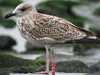 michahellis 97Y 1cy November 02 2008, Westkapelle, the Netherlands. Picture: Pim Wolf.. michahellis 97Y 1cy November 02 2008, Westkapelle, the Netherlands. Picture: Pim Wolf.. |
|||||||||||||||||||||||||||||||||||||||||||||||||||||||||||||||||||||||||||||||||||||||||||||||||||||||||||||||||||||||||||||||||||||||||||||||||||||||||||||||||||||||||||||||||||||||||||||||||||||||||||||||||||||||||||||||||||||||||||||||||||||||||||||||||||||||||||||||||||||||||||||||||||||||||||||||||||||||||||
 Photo 01: YLG (L. michahellis) 1cy, September 02 2006, IJmuiden, the Netherlands. Photo 01: YLG (L. michahellis) 1cy, September 02 2006, IJmuiden, the Netherlands. |
|||||||||||||||||||||||||||||||||||||||||||||||||||||||||||||||||||||||||||||||||||||||||||||||||||||||||||||||||||||||||||||||||||||||||||||||||||||||||||||||||||||||||||||||||||||||||||||||||||||||||||||||||||||||||||||||||||||||||||||||||||||||||||||||||||||||||||||||||||||||||||||||||||||||||||||||||||||||||||
 Photo 02: YLG (L. michahellis) 1cy, September 02 2006, IJmuiden, the Netherlands. Photo 02: YLG (L. michahellis) 1cy, September 02 2006, IJmuiden, the Netherlands. |
|||||||||||||||||||||||||||||||||||||||||||||||||||||||||||||||||||||||||||||||||||||||||||||||||||||||||||||||||||||||||||||||||||||||||||||||||||||||||||||||||||||||||||||||||||||||||||||||||||||||||||||||||||||||||||||||||||||||||||||||||||||||||||||||||||||||||||||||||||||||||||||||||||||||||||||||||||||||||||
 Photo
4673: YLG (L. michahellis) 1cy, September 20 2002, Le Portel, France. Photo
4673: YLG (L. michahellis) 1cy, September 20 2002, Le Portel, France. |
|||||||||||||||||||||||||||||||||||||||||||||||||||||||||||||||||||||||||||||||||||||||||||||||||||||||||||||||||||||||||||||||||||||||||||||||||||||||||||||||||||||||||||||||||||||||||||||||||||||||||||||||||||||||||||||||||||||||||||||||||||||||||||||||||||||||||||||||||||||||||||||||||||||||||||||||||||||||||||
 Photo
4677: YLG (L. michahellis) 1cy, September 20 2002, Le Portel, France. Photo
4677: YLG (L. michahellis) 1cy, September 20 2002, Le Portel, France. |
|||||||||||||||||||||||||||||||||||||||||||||||||||||||||||||||||||||||||||||||||||||||||||||||||||||||||||||||||||||||||||||||||||||||||||||||||||||||||||||||||||||||||||||||||||||||||||||||||||||||||||||||||||||||||||||||||||||||||||||||||||||||||||||||||||||||||||||||||||||||||||||||||||||||||||||||||||||||||||
 Photo
4682: YLG (L. michahellis) 1cy, September 20 2002, Le Portel, France. Photo
4682: YLG (L. michahellis) 1cy, September 20 2002, Le Portel, France. |
|||||||||||||||||||||||||||||||||||||||||||||||||||||||||||||||||||||||||||||||||||||||||||||||||||||||||||||||||||||||||||||||||||||||||||||||||||||||||||||||||||||||||||||||||||||||||||||||||||||||||||||||||||||||||||||||||||||||||||||||||||||||||||||||||||||||||||||||||||||||||||||||||||||||||||||||||||||||||||
 Photo
4690: YLG (L. michahellis) 1cy, September 20 2002, Le Portel, France. Photo
4690: YLG (L. michahellis) 1cy, September 20 2002, Le Portel, France. |
|||||||||||||||||||||||||||||||||||||||||||||||||||||||||||||||||||||||||||||||||||||||||||||||||||||||||||||||||||||||||||||||||||||||||||||||||||||||||||||||||||||||||||||||||||||||||||||||||||||||||||||||||||||||||||||||||||||||||||||||||||||||||||||||||||||||||||||||||||||||||||||||||||||||||||||||||||||||||||
 Photo
4691: YLG (L. michahellis) 1cy, September 20 2002, Boulogne-sur-Mer, France. Photo
4691: YLG (L. michahellis) 1cy, September 20 2002, Boulogne-sur-Mer, France. |
|||||||||||||||||||||||||||||||||||||||||||||||||||||||||||||||||||||||||||||||||||||||||||||||||||||||||||||||||||||||||||||||||||||||||||||||||||||||||||||||||||||||||||||||||||||||||||||||||||||||||||||||||||||||||||||||||||||||||||||||||||||||||||||||||||||||||||||||||||||||||||||||||||||||||||||||||||||||||||
 Photo
4749: YLG (L. michahellis) 1cy, September 21 2002, Dannes - Le
Portel, France. Photo
4749: YLG (L. michahellis) 1cy, September 21 2002, Dannes - Le
Portel, France. |
|||||||||||||||||||||||||||||||||||||||||||||||||||||||||||||||||||||||||||||||||||||||||||||||||||||||||||||||||||||||||||||||||||||||||||||||||||||||||||||||||||||||||||||||||||||||||||||||||||||||||||||||||||||||||||||||||||||||||||||||||||||||||||||||||||||||||||||||||||||||||||||||||||||||||||||||||||||||||||
 Photo
4774: YLG (L. michahellis) 1cy, September 21 2002, Dannes - Le
Portel, France. Photo
4774: YLG (L. michahellis) 1cy, September 21 2002, Dannes - Le
Portel, France. |
|||||||||||||||||||||||||||||||||||||||||||||||||||||||||||||||||||||||||||||||||||||||||||||||||||||||||||||||||||||||||||||||||||||||||||||||||||||||||||||||||||||||||||||||||||||||||||||||||||||||||||||||||||||||||||||||||||||||||||||||||||||||||||||||||||||||||||||||||||||||||||||||||||||||||||||||||||||||||||
 Photo
4788: YLG (L. michahellis) 1cy, September 21 2002, Dannes - Le
Portel, France. Photo
4788: YLG (L. michahellis) 1cy, September 21 2002, Dannes - Le
Portel, France. |
|||||||||||||||||||||||||||||||||||||||||||||||||||||||||||||||||||||||||||||||||||||||||||||||||||||||||||||||||||||||||||||||||||||||||||||||||||||||||||||||||||||||||||||||||||||||||||||||||||||||||||||||||||||||||||||||||||||||||||||||||||||||||||||||||||||||||||||||||||||||||||||||||||||||||||||||||||||||||||
 Photo
4986: YLG (L. michahellis) 1cy, September 22 2002, Le Portel, France. Photo
4986: YLG (L. michahellis) 1cy, September 22 2002, Le Portel, France. |
|||||||||||||||||||||||||||||||||||||||||||||||||||||||||||||||||||||||||||||||||||||||||||||||||||||||||||||||||||||||||||||||||||||||||||||||||||||||||||||||||||||||||||||||||||||||||||||||||||||||||||||||||||||||||||||||||||||||||||||||||||||||||||||||||||||||||||||||||||||||||||||||||||||||||||||||||||||||||||
 Photo
6495: YLG (L. michahellis) 1cy, September 30 2001, Dannes - Le
Portel, France. Photo
6495: YLG (L. michahellis) 1cy, September 30 2001, Dannes - Le
Portel, France. |
|||||||||||||||||||||||||||||||||||||||||||||||||||||||||||||||||||||||||||||||||||||||||||||||||||||||||||||||||||||||||||||||||||||||||||||||||||||||||||||||||||||||||||||||||||||||||||||||||||||||||||||||||||||||||||||||||||||||||||||||||||||||||||||||||||||||||||||||||||||||||||||||||||||||||||||||||||||||||||
 Photo
6509: YLG (L. michahellis) 1cy, September 30 2001, Dannes - Le
Portel, France. Photo
6509: YLG (L. michahellis) 1cy, September 30 2001, Dannes - Le
Portel, France. |
|||||||||||||||||||||||||||||||||||||||||||||||||||||||||||||||||||||||||||||||||||||||||||||||||||||||||||||||||||||||||||||||||||||||||||||||||||||||||||||||||||||||||||||||||||||||||||||||||||||||||||||||||||||||||||||||||||||||||||||||||||||||||||||||||||||||||||||||||||||||||||||||||||||||||||||||||||||||||||
 Photo
6516: YLG (L. michahellis) 1cy, September 30 2001, Dannes - Le
Portel, France. Photo
6516: YLG (L. michahellis) 1cy, September 30 2001, Dannes - Le
Portel, France. |
|||||||||||||||||||||||||||||||||||||||||||||||||||||||||||||||||||||||||||||||||||||||||||||||||||||||||||||||||||||||||||||||||||||||||||||||||||||||||||||||||||||||||||||||||||||||||||||||||||||||||||||||||||||||||||||||||||||||||||||||||||||||||||||||||||||||||||||||||||||||||||||||||||||||||||||||||||||||||||